
3 ways superintendents can lead the way
By Ken Osmun
For many years, building “green” has been at the forefront of construction for many building projects but — more recently — a new focus has emerged: the impact those structures have on the well-being of the people who build and eventually use them.
That’s where WELL comes in. While Leadership in Energy and Environmental Design standards address sustainability, WELL Building Standards promote the health, productivity and workplace satisfaction of those in and around built spaces. The result: buildings with higher property values that command higher rents, in addition to better conditions for the workers, residents, students and others who use the completed facilities.
It’s about more than safety; it’s about all-around health and a positive frame of mind. Under WELL standards, a construction firm might go further than prohibiting smoking on a construction jobsite; it might also make programs available to help smokers quit the habit. It might also ensure crews can buy healthy foods, such as fruits and vegetables, onsite or nearby. For those who live or work in the completed project, it can mean cleaner air, better use of sunlight and quieter spaces.
The International WELL Building Institute launched WELL standards in 2014, and use in construction has expanded rapidly. In February 2024, the IWBI announced the standard was integrated in buildings totaling 5 billion square feet across 130 countries. Just a year later, those numbers rose to 6 billion square feet in 137 countries.
Superintendents don’t have to be WELL experts to get involved.
1. Learn the background and basics of WELL. A superintendent who is new to or unfamiliar with WELL concepts can participate in a free online series at https://www.wellcertified.com/educationalseries. From there, they can dig into specific areas of interest or advance knowledge to achieve WELL accreditation through training sessions and guidebooks.
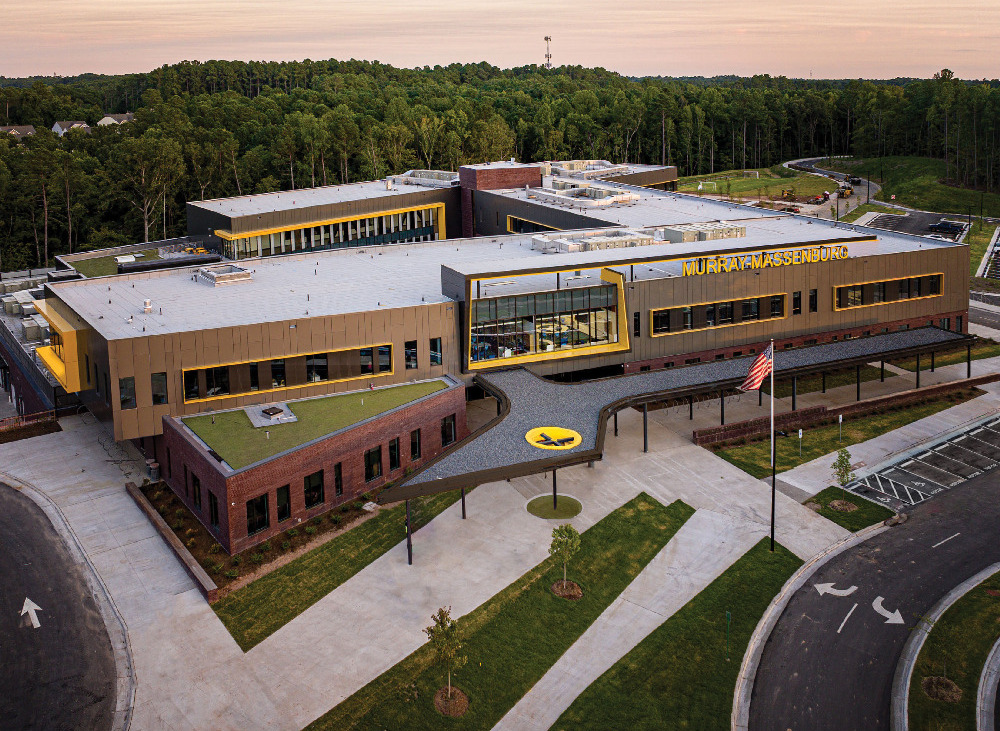
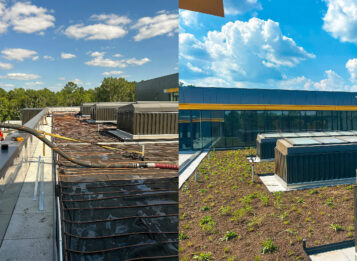
2. Understand the specific WELL goals to be met and how to attain them. This will vary from project to project, depending on what the architect and engineer specify. The WELL Building Standard website provides scorecards for various categories, which are air, water, nourishment, light, movement, thermal comfort, sound, materials, mind and community. They cover everything from high levels of air and water quality, to distraction-free and soothing environments, including lighting that does not disrupt circadian rhythms — a body’s natural 24-hour cycle of physical, mental and behavioral changes. Possibilities include a glazed glass façade that maximizes natural daylight while managing indoor temperatures, a green roof and softer finishes, such as acoustic cloud ceilings and high-impact drywall, to improve sound absorption and minimize noise.
3. Establish a jobsite culture from day one. Ensure everyone on the team understands the reasons for the commitment to the WELL-being of all workers and visitors to the site. Until the standards are more widely adopted, allow time for a possible learning curve for suppliers and contractors to meet the specifications, assist their efforts and follow the documentation process required for the certification.
Other possible measures on the jobsite could include:
• Managing onsite dust and pollution
• Providing easy access to drinking water
• Providing handwashing stations
• Managing water use and minimizing waste
• Providing refrigerators and areas to eat comfortably
• Ensuring work areas are well lit
• Providing well-defined, safe and clean areas for material movement
• Implementing a waste management plan
• Protecting and using construction filters on newly installed HVAC systems
• Supporting and positively engaging with the local community.
WELL project certification comes with a potential additional cost for registration, professional fees and inspections, and requires the building owner to monitor and test on an ongoing basis to ensure the building continues to meet the standards.
But the benefits easily outweigh the challenges, and continue long after the project is completed and occupied, with a healthier, more comfortable environment for those who operate and occupy the building. The IWBI website offers the results of occupant surveys and research on the impacts from institutions such as the Massachusetts Institute of Technology and Harvard’s T.H. Chan School of Public Health. They show that buildings constructed with healthy standards enjoy higher property values and command rents up to 7.7% higher than others. Companies in the buildings also see a 28% increase in employee satisfaction and a 10-point jump in worker productivity.
Awareness of those positive impacts can help persuade an uninformed client that WELL standards are in their interest. If a client is unconvinced of the wisdom of the approach, note that a growing number of Fortune 500 companies have reported performance benefits from the WELL approach and its health strategies. Recommend they browse https://www.wellcertified.com/ for more information, and offer them opportunities to speak with other clients who have implemented WELL standards.
WELL building standards may not be an answer for every project, but their benefits can give the building owner a competitive edge while providing an environment with happier, healthier users of the space.
Ken Osmun, P.E., DBIA, CM-Lean, LEED AP BD+C, WELL AP, is a project executive with LeChase Construction Services.

 Join our thriving community of 70,000+ superintendents and trade professionals on LinkedIn!
 Search our job board for your next opportunity, or post an opening within your company.
 Subscribe to our monthly
Construction Superintendent eNewsletter and stay current.
Subscribe to our monthly
Construction Superintendent eNewsletter and stay current.