

4 tips superintendents can use to foster mental health in the field
By Melissa Allen
When talking about safety in construction, most people think about hard hats, harnesses and fall protection. But the truth is, the greatest risk facing our industry isn’t always visible. Statistics paint a sobering picture; construction workers are five times more likely to die by suicide than from a work-related injury. One in five adults in the United States live with mental illness and 23% report feelings of depression or anxiety. These aren’t just numbers; they’re coworkers, friends — and sometimes, even ourselves.
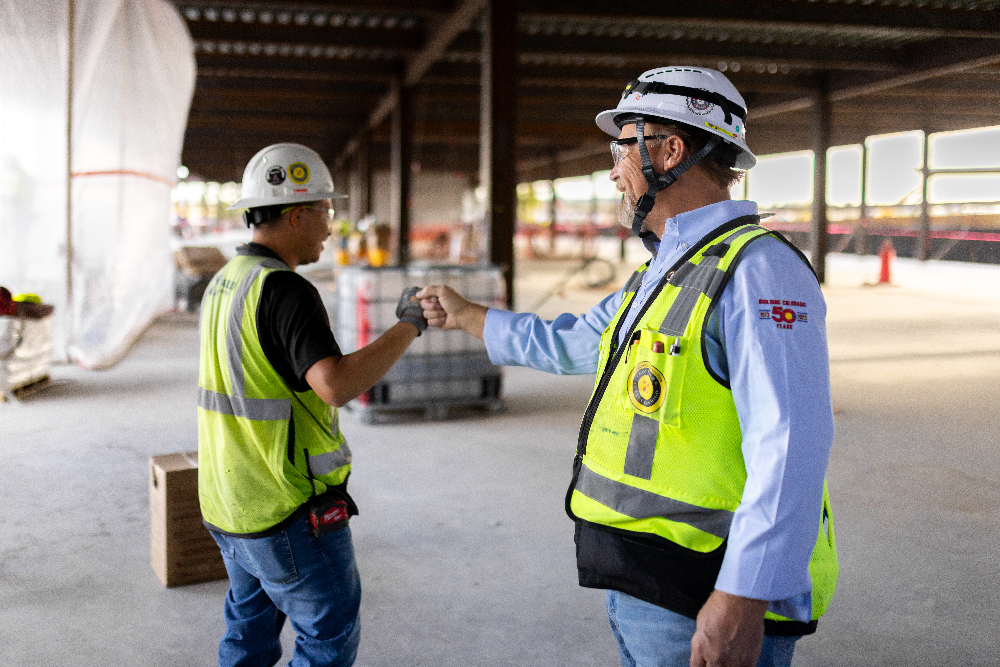
As someone who has spent years working on jobsites, I know firsthand how important it is to not just build structures, but to build a culture of care. And at the heart of that culture are superintendents. They set the tone for the jobsite. They are the ones crews look to for guidance, stability and support. Superintendents set the jobsite culture and are the frontline in addressing mental health issues in the field.
Show up better for your crew
Before addressing mental health with your team, it’s crucial to have strategies in place to manage your own mental health. It’s not a secret that construction can be a demanding industry with tight deadlines and periods of intense work. Superintendents and project managers are role models whether we realize it or not. If we’re constantly stressed, short-tempered or closed off, our teams will take their cues from that. On the other hand, when we show balance, empathy and openness, it gives permission for others to do the same.
Construction is notorious for its “tough guy” mentality. We pride ourselves on grit and resilience, but sometimes that comes at the cost of acknowledging when we’re not okay. Managing your own mental health, whether that means finding coping tools, taking time off when needed or simply talking to someone equips you to show up better for your crew.
Notice the small things
When managing our own stress and mental health well, it allows us to lead our team well. Leadership is more than hitting deadlines and meeting budgets. It’s about knowing your people. Take the time to engage with your team beyond surface-level check-ins. Notice the small things: the worker who’s suddenly quieter than usual, the foreman who seems more irritable or the individual who starts isolating themselves. Sometimes these changes are subtle, and they’re easy to overlook in the rush of a job. However, when you see multiple indicators, that’s the moment to ask questions, have a conversation and show that you care. We create the safety our teams need to bring issues to the forefront.
Empower your team with growth mindset
This care for our teams should extend into creating an environment of psychological safety onsite. Construction often gets a bad reputation for harsh encounters and a low tolerance for failure. As leaders onsite, we can focus on empowering our teams to grow rather than creating an environment where teams fear making mistakes. This doesn’t mean that we sacrifice speed or quality. Getting to know our teams well allows us to work with them to set goals that align with the project but are specific to the individual. We can drive the project with a growth mindset and help our teams learn from their mistakes. I have seen this happen over and over again in the field as we work to coach our teams through challenges and challenge them to improve. The attitude of growth and ownership in the project changes the attitude of the entire team. Part of mental health is feeling engaged in your work; superintendents have a unique opportunity to help our teams succeed.
Understand available resources
When we start conversations and look out for our team members, it’s important to realize that our job is not to fix the issue. Recognizing issues and having conversations with our team is the first step to recovery. Once a team member has expressed a challenge or issue, our job is to connect them with the appropriate resources to get the professional help they need. Take the time to learn your company-specific resources, as well as national resources to be able to understand what is available for your teams. HR can also play a crucial role as a partner in getting your team members the help they need. They’re equipped with both internal and external resources to point team members in the right direction. On a larger scale, organizations like the national AGC provide mental health working groups, training and guides to support companies and individuals, alike.
Construction excellence doesn’t have to come at the expense of our teams. At the end of the day, being an excellent superintendent means more than delivering a project on time and within budget. It means helping teams achieve balance, not just in their work, but in their lives. We don’t have to sacrifice speed or quality to prioritize mental health. In fact, when teams feel supported, they work safer, smarter and stronger.
Suicide prevention in construction is not just about statistics. By taking care of ourselves, leading well and knowing our resources, we can build not only lasting structures but a culture of care that ensures everyone goes home safe in every sense of the word.
Melissa Allen is concrete project manager at Haselden Construction.
Photos courtesy of Haselden Construction
 Join our thriving community of 70,000+ superintendents and trade professionals on LinkedIn!
 Search our job board for your next opportunity, or post an opening within your company.
 Subscribe to our monthly
Construction Superintendent eNewsletter and stay current.
Subscribe to our monthly
Construction Superintendent eNewsletter and stay current.