

By Brooks Bass
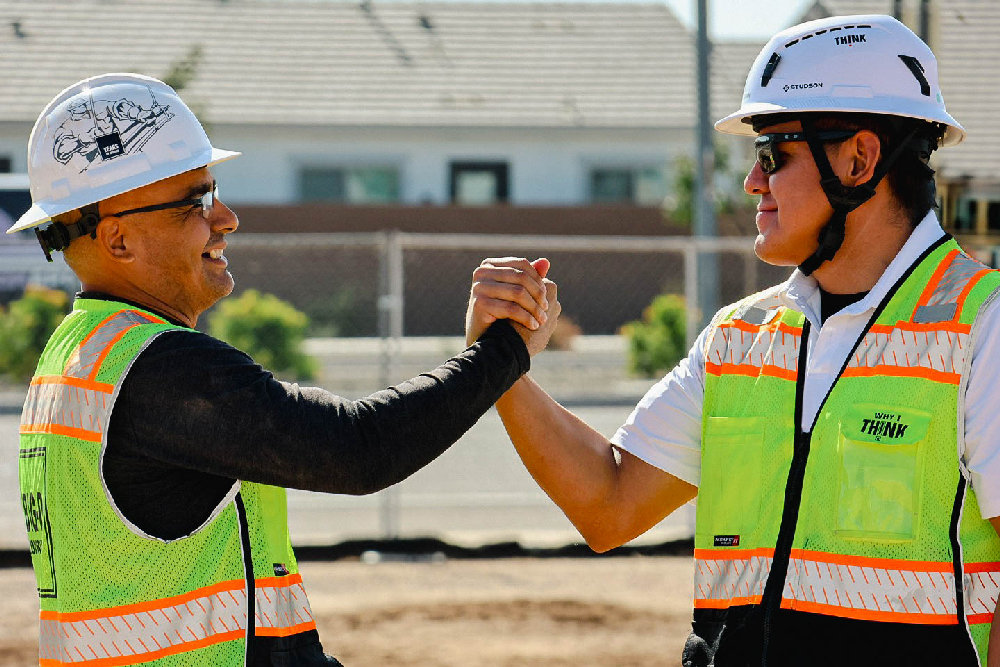
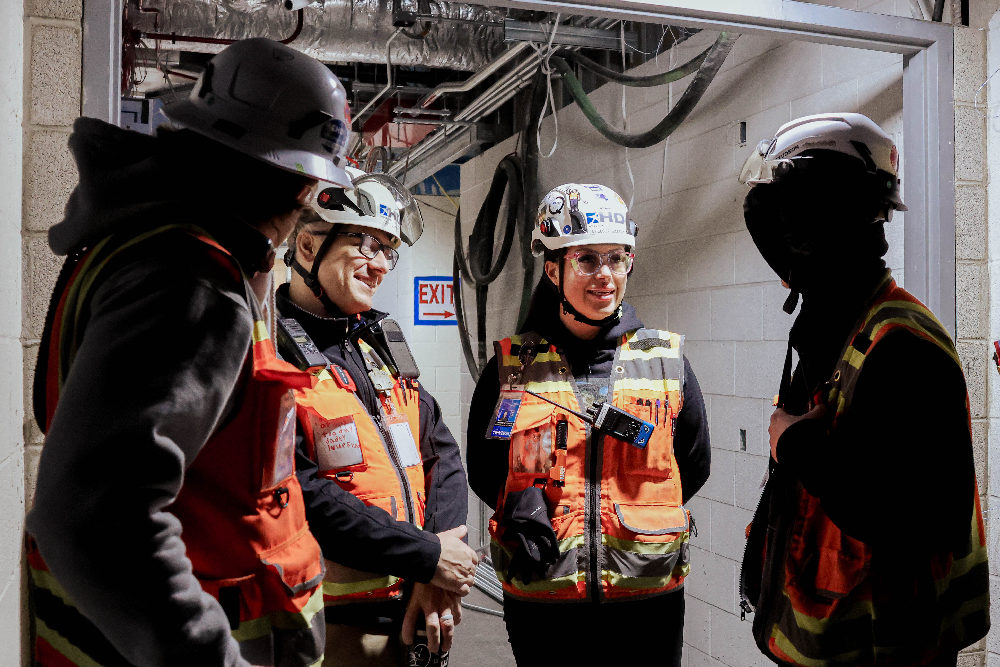
What will the jobsite of the future look like? Will projects continue to be driven by hands-on leadership, or evolve into something more tech-centered and automated? Across the construction industry, superintendents are preparing for a decade of significant change. The road ahead is shaped by evolving technology, a shifting workforce and new cultural expectations onsite.
Workforce shortage and wake-up call
One of the most pressing concerns is the growing shortage of skilled labor. As experienced workers retire and fewer people enter the trades, project schedules are already beginning to stretch. Compressed timelines that once seemed achievable may soon be out of reach.
Jameson Fairbourn, senior superintendent at Big-D Construction, believes the issue starts in the classroom.
“There is not a lot of advertisement or education that happens at the high school level,” Fairbourn said. “You can make six figures as a plumber or an electrician, but that message is not being shared. Many people still associate construction with outdated stereotypes, but the reality is that it requires a high level of skill, professionalism and technical knowledge.”
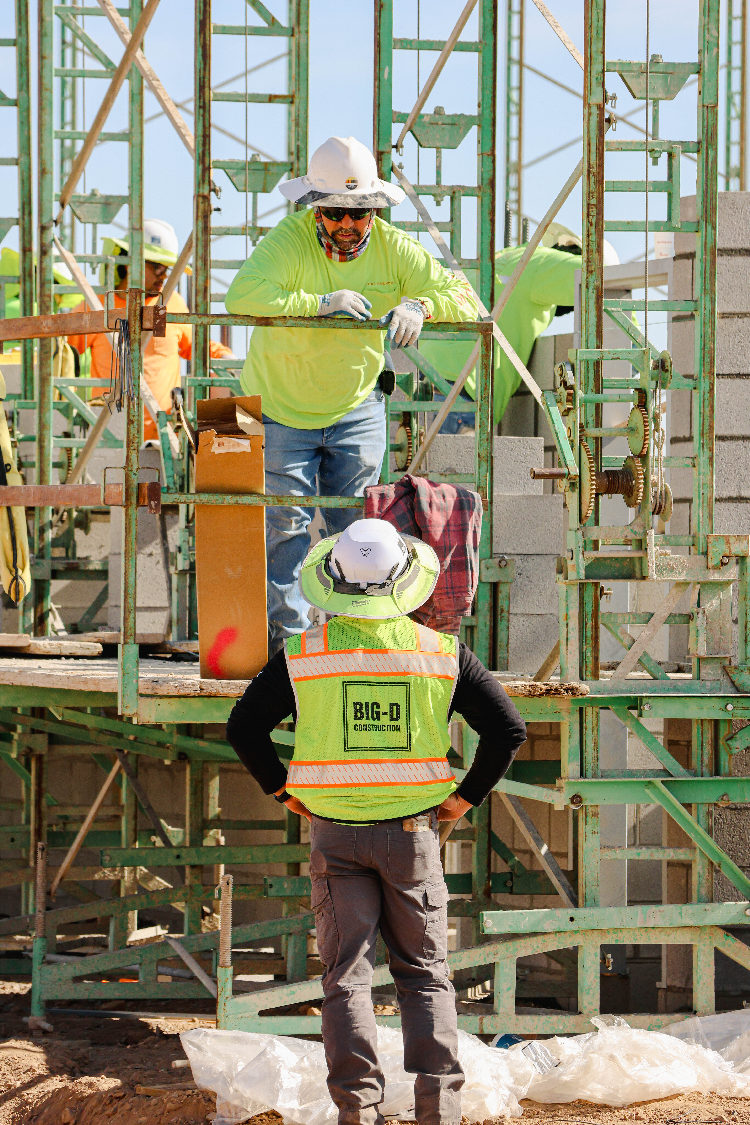
Attracting young people into the industry will require a stronger focus on visibility, mentoring and redefining the image of construction. Paul Telford, Big-D Construction senior superintendent, emphasized the importance of hands-on programs.
“We’ve had interns on our projects, and we have taught them things and given them opportunities to help them learn and grow,” Telford said. “Real hands-on jobsite experience makes a difference.”
Technology is here to stay and so are we
Construction sites today are more connected and data driven than ever before. From cloud-based platforms like Procore to QR-coded inspection workflows, the role of the superintendent is shifting alongside the tools.
“Tech gives us the ability to multitask and lead more efficiently,” said Eric Reynard, Big-D Construction superintendent. “I do not know how some of these guys did it 30 years ago with fax machines.”
Telford agrees, noting that superintendents are now expected to manage both the physical and digital sides of the work.
“You are not just out doing physical labor anymore,” Telford said. “You have to understand the software, the coordination tools, the entire tech end of it.”
Even so, the most effective tools are those that simplify, not overcomplicate.
“Sometimes, new tech is too job specific and not industry specific,” Fairbourn said. “We need tools that work on a wide range of projects, not just one type.”
The younger generation tends to adopt these platforms more naturally, but onboarding and support are key to making technology work for the whole team.
A changing culture and new kind of leader
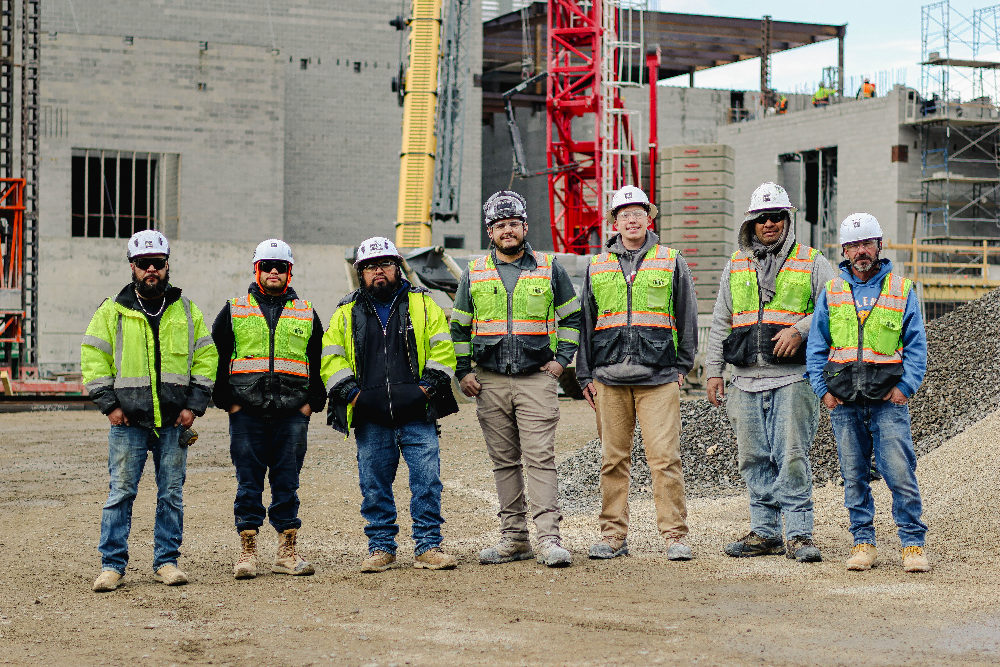
Construction is no longer a one-size-fits-all profession. Today’s workforce includes people from a wide variety of backgrounds and experiences, and that diversity is reshaping how leadership looks and operates.
“You see people from all walks of life now,” Telford said. “Not just people whose dads worked construction. You see more women in the field, more diversity in every trade.”
Reynard said today’s superintendents are expected to perform at a higher level of professionalism and communication.
“Superintendents are more educated, more equipped to lead teams and more invested in growing themselves and others,” he said.
Still, the path to leadership is not always clear. For example, the role of assistant superintendent is often vaguely defined, with few consistent expectations across projects or companies.
“There is no well-defined path from carpenter to foreman to assistant superintendent,” Fairbourn said. “It just kind of evolves. We need clearer development tracks if we want to keep people moving forward.”
Culture matters too. Younger workers are drawn to companies that offer not only solid pay and benefits, but also purpose and flexibility.
“Work-life balance and good compensation are a big part of attracting and keeping the right people,” Telford said.
What keeps the field moving forward
Even with its challenges, the outlook remains hopeful. The need for builders has not changed. If anything, it has grown. Whether it is new construction, renovation or re-use of existing space, skilled teams will always be in demand.
“There is going to be a lot of growth coming back to the United States,” Fairbourn said. “We need places for people to work. That demand will not disappear.”
“The projects are evolving and getting more interesting,” Telford said. “It keeps the job exciting. No two days are the same.”
The reason to stay optimistic is simple.
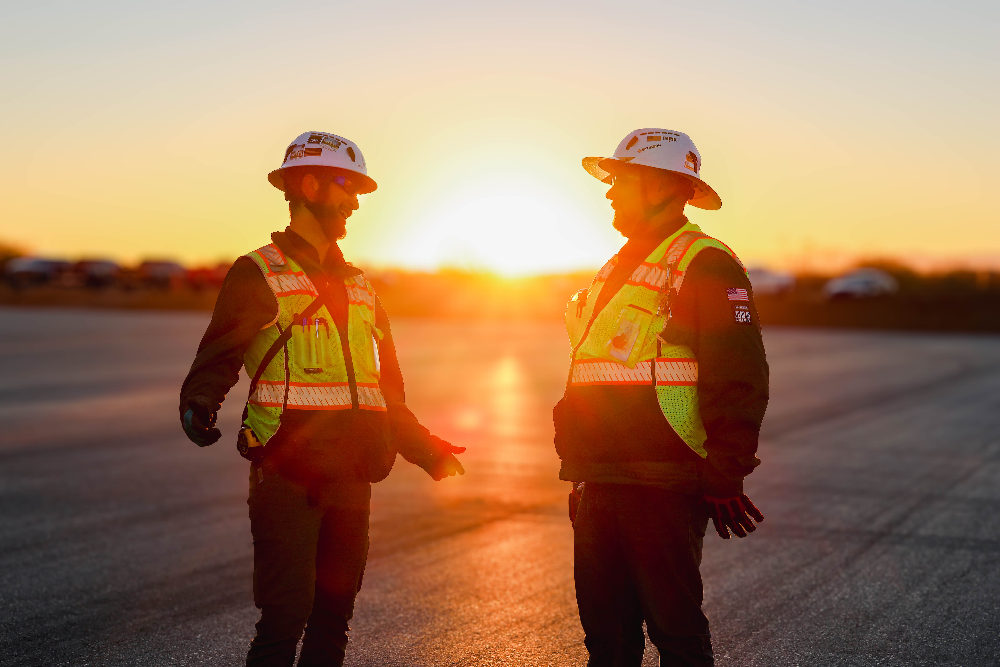
“Construction attracts a special kind of person,” Reynard said. “You build lifetime friendships out here. I hope that never changes.”
Brooks Bass is marketing & communications coordinator at Big-D Companies.
Photos courtesy Autumn Miller
 Join our thriving community of 70,000+ superintendents and trade professionals on LinkedIn!
 Search our job board for your next opportunity, or post an opening within your company.
 Subscribe to our monthly
Construction Superintendent eNewsletter and stay current.
Subscribe to our monthly
Construction Superintendent eNewsletter and stay current.