

The art of coordination keeps projects moving forward
By Drew Cook
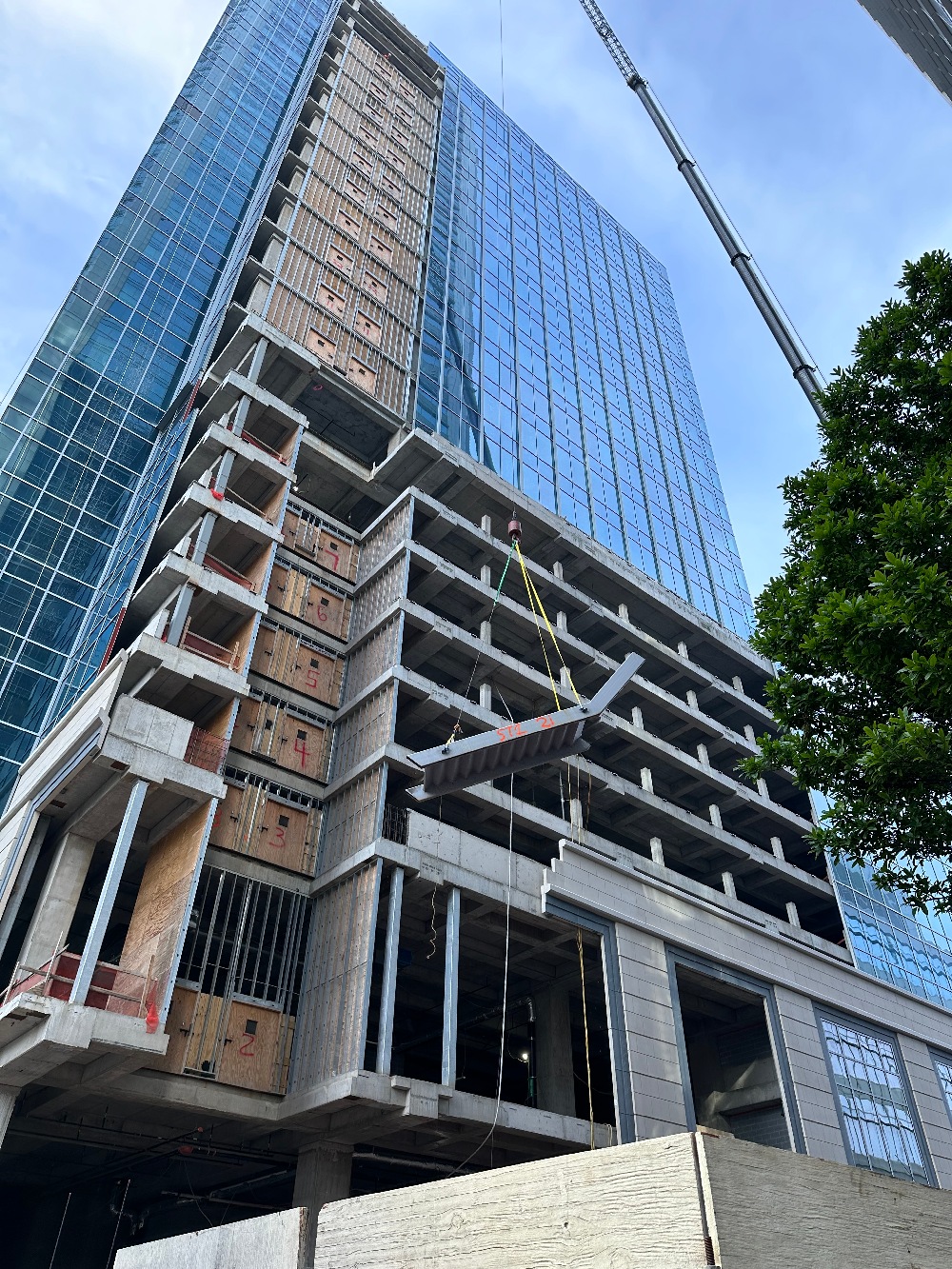
It seems like every project comes with the same expectation: get it done faster and do it with less room to work. Whether it’s an occupied office building, a renovation in an active facility or a project squeezed into a dense urban environment, constraints have become part of everyday construction.
The challenge, however, isn’t always the lack of space. In my experience, most tight-site challenges aren’t space problems at all. I’ve worked on projects with limited access, shared elevators, occupied spaces, active pedestrian traffic and aggressive schedules. What I’ve learned is that projects rarely fall behind because there isn’t enough room to work, it’s because everyone is focused on their own scope instead of understanding how work, people, materials and equipment need to move together through the site.
As superintendents, it is our job to make sure all of those moving pieces work together.
The weekly meeting isn’t enough anymore
One reality of modern construction is that schedules continue to compress. A decade ago, many projects had enough float to absorb a mistake, an unexpected delivery issue or a sequencing conflict. Today, many don’t.
I recently completed a roughly 30,000-square-foot office renovation in 99 days. Demolition, reconstruction, inspections and turnover all had to occur within that window. When schedules move that quickly, waiting until next week’s coordination meeting is often too late. That’s why I believe communication has become one of the most important responsibilities of a superintendent.
On many of our projects, we conduct daily foreman huddles. We review deliveries, work areas, manpower needs and potential conflicts before crews ever start working. Sometimes those conversations are as simple as making sure one trade understands another crew needs access to an area first, or confirming resources, equipment and materials will be available when a crew arrives. Those small discussions prevent crews from standing around waiting and help keep momentum throughout the day.
Everyone knows who is working where, what activities may impact them and where potential conflicts exist before they become delays. I’ve found that most conflicts are easy to solve when they’re discussed early. They’re much harder to solve when crews are already standing in the same workspace wondering who has priority.
Be present in the field
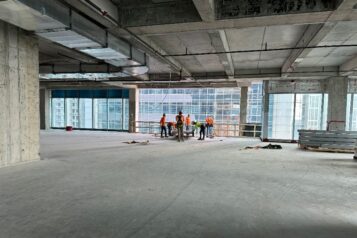
One lesson I learned early in my career is that it is difficult to lead a project from the trailer. Schedules are important. Reports are important. Documentation is important. None of those things replace walking the job.
Some of the most valuable coordination conversations happen during a five-minute discussion with a trade foreman while walking the floor. Those aren’t usually scheduled conversations. They’re often quick exchanges about a material delivery, a workspace conflict, an upcoming activity or simply checking whether a trade has the resources it needs to stay productive that day.
One of the most important responsibilities of a superintendent is identifying roadblocks early and removing obstacles before they affect operations. That means being present in the field, understanding what work is coming next and looking weeks ahead to identify issues before crews encounter them. Whether it’s a delivery, an access issue, a coordination conflict or a missing resource, the goal is to remove barriers before they prevent work from being executed.
When crews see the superintendent in the field, they are more likely to raise concerns early because they know someone is listening and actively working to keep the project moving. I’ve found that some of the biggest schedule gains don’t come from accelerating work. They come from eliminating the issues that would have slowed it down in the first place.
Tight sites extend beyond the fence
One coordination challenge that doesn’t always get enough attention is live traffic, or vehicle and pedestrian movement around our work.
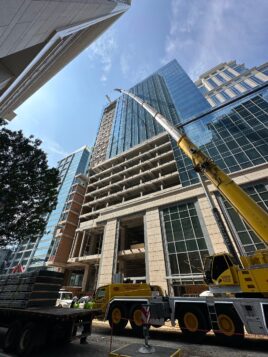
I’ve worked on projects where crews were installing plumbing and utilities outside of the building while maintaining pedestrian access and navigating active traffic surrounding the site. That’s when you realize live traffic isn’t just a concern on highway and roadway projects. It becomes part of your coordination plan on every job.
Material deliveries may occur from active streets. Crews may access work areas through parking lots or public sidewalks. Occupants, pedestrians and drivers continue moving around the project while work is taking place. Even on primarily interior renovations, those interactions create risks that have to be managed.
What makes live traffic difficult is that you’re no longer coordinating only construction activities. You’re coordinating around the behavior of the public. Drivers are focused on getting where they need to go. Pedestrians are often taking the shortest path to their destination. Neither group attends our safety meetings. That’s why traffic planning cannot end after the barricades and signage are installed. We have to think about what people are likely to do, not what we hope they will do.
The best superintendents stay adaptable
Every experienced superintendent knows the truth about schedules. No matter how much planning goes into them, something is going to change. A delivery may be late. An inspection may take longer than expected. A work area may not be available when it was supposed to be. The question isn’t whether something will change. It’s how quickly the team can adjust when it does.
Adaptability is what separates projects that maintain momentum from those that spend their time reacting. I’ve always believed in having multiple plans for major activities. If crews can’t work in one area, they should have another place where they can stay productive. If conditions change, work should continue moving forward.
The objective is simple: if people are ready to work, we should be ready to put them to work. That mindset has helped me more than any scheduling or logistics plan ever could.
Coordination is ultimately about people
The construction industry often talks about logistics, schedules, sequencing and technology. All those things matter. But none of them work without people communicating and working toward the same goal.
The best superintendents understand how work flows through a project, but they also understand how relationships influence production. When trade partners trust one another, conflicts get solved faster. When crews communicate openly, safety improves. When issues are identified early, schedules remain intact.
In an industry where schedules continue to shrink and projects continue to grow more complex, coordination has become one of the most important skills a superintendent can develop. The strongest project teams aren’t the ones with the fewest problems. They’re the ones that identify issues early, communicate openly and adapt quickly when conditions change. When that happens, trust follows, and projects keep moving forward.
Drew Cook is a general superintendent with Balfour Beatty based in Charlotte, North Carolina.
 Join our thriving community of 70,000+ superintendents and trade professionals on LinkedIn!
 Search our job board for your next opportunity, or post an opening within your company.
 Subscribe to our monthly
Construction Superintendent eNewsletter and stay current.
Subscribe to our monthly
Construction Superintendent eNewsletter and stay current.