







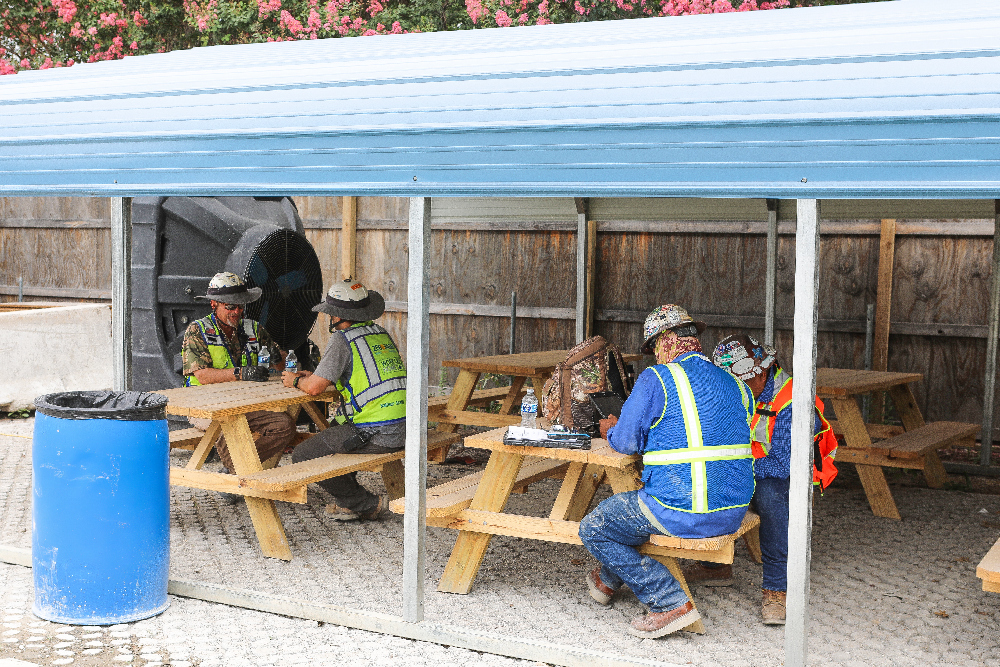
Safety reminders to ‘keep your cool’ this summer By Richard Ryan “Hottest summer on record” is a phrase many of us are likely tired of hearing, and none so much as construction project leaders. When you coordinate and lead hundreds of people working outdoors every day, “hottest summer” goes beyond an uncomfortable inconvenience and can quickly verge on danger for all involved. As with many aspects of construction safety, keeping your team safe during hot conditions rests on three equally critical pillars: knowledge, preparation and collective care. When we know the warning signs, prepare to respond competently and commit to … Read more
Department of Labor to Restructure OSHA Regional Operations
The Department of Labor has announced strategic changes to the structure of its Occupational Safety and Health Administration’s regional operations designed to direct its resources effectively and make the agency more resilient. The changes include the creation of a new OSHA regional office in Birmingham, Alabama, overseeing agency operations in the state, and those in Arkansas, Kentucky, Louisiana, Mississippi and Tennessee, as well as the Florida Panhandle. The Birmingham Region will address the area’s growing worker population and the hazardous work done by people employed in food processing, construction, heavy manufacturing and chemical processing. OSHA is also planning to merge Regions 9 and 10 into a new San Francisco Region to improve operations and reduce … Read more
I Felt the Earth Move Under My Feet
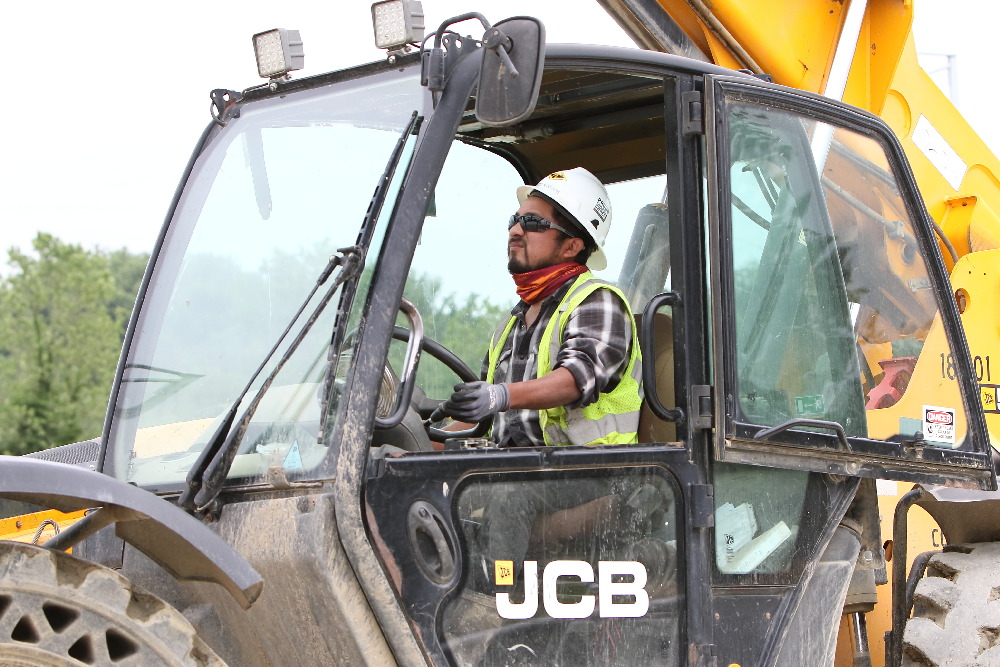
Top 4 ways to mitigate accidents when using earth-moving equipment By Taylor Klitzke Perhaps Carole King didn’t have mobile earth-moving equipment in mind when she wrote that song, but construction superintendents should. Because it could be a matter of life or death. As new workers prepare to begin on jobsites, construction managers and general contractors must provide a comprehensive orientation to mitigate accidents. To reduce the risk of injuries — and possibly fatalities — training should educate workers on safety protocols, equipment operation and hazard recognition, as well as all federal, state and local regulations. Proper earth-moving equipment training ensures … Read more
Applying Hierarchy of Fall Protection Controls Saves Lives, Money
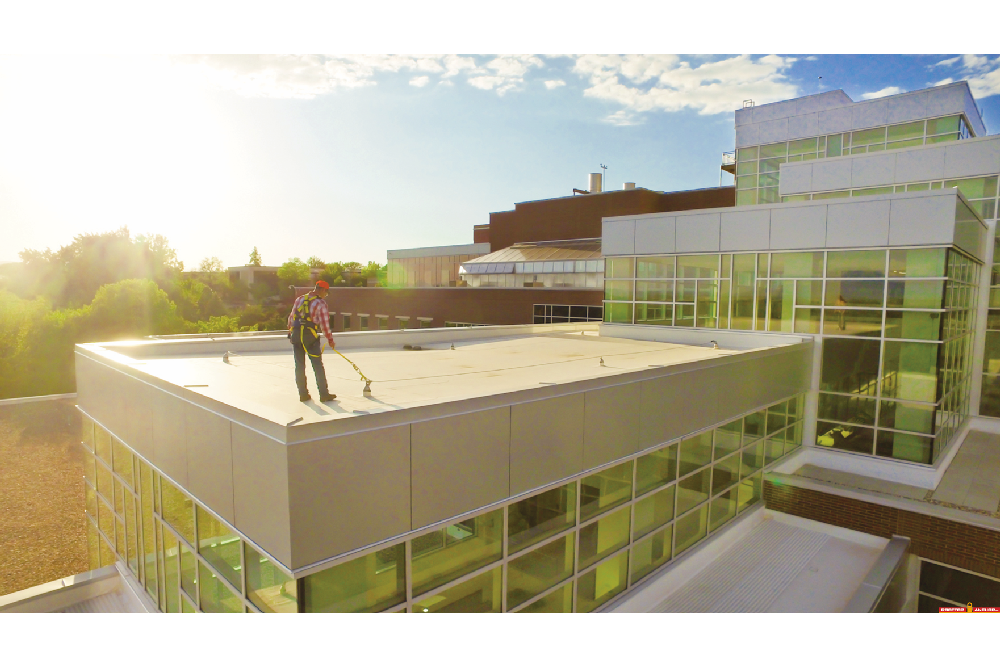
By Philip Jacklin Falls continue to be a leading cause of death and injury on construction sites. Per Occupational Safety and Health Administration 1926.501, employers must protect construction workers in an environment with the potential to fall 6 feet or more to the next lower level. (Note that general industry companies must adhere to OSHA 1910 and must be protected at 4 feet or more.) On a typical jobsite, the next lower level could be an elevator shaft, several floors of unfinished framing, steel beams, rebar, heavy machinery, the hard earth below or even an excavation pit underneath that. The … Read more
Advisory Committee on Construction Safety and Health to Meet April 24
The U.S. Department of Labor’s Occupational Safety and Health Administration announced that the Advisory Committee on Construction Safety and Health will meet for a teleconference and online meeting from 1-5:30 p.m. EDT on April 24. The committee will discuss the Heat Injury and Illness Prevention in Outdoor and Indoor Workplaces and Infectious Diseases rulemakings and other issues with a period for public comments. Submit comments and requests to speak at the Federal eRulemaking Portal, using Docket Number OSHA-2024-0002 by April 18. Be sure to include the docket number on all submissions. Details on how to attend are included in the … Read more


Join our thriving community of 70,000+ superintendents and trade professionals on LinkedIn!
Search our job board for your next opportunity, or post an opening within your company.
Subscribe to our monthly
Construction Superintendent eNewsletter and stay current.