

By: NCCER Staff
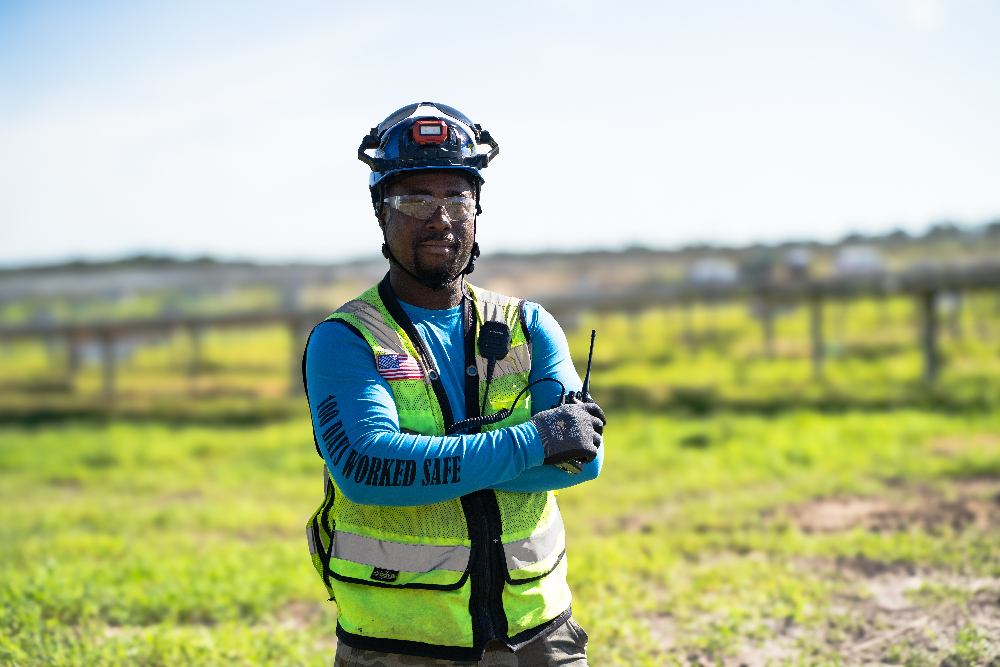
Superintendents hold one of the most complex and demanding roles in the industry by simultaneously managing production, safety, communication, scheduling and risk under constant pressure. As projects grow in scale and complexity — and as crews become more varied in experience and background — expectations placed on field leadership continue to rise. Even seasoned superintendents are navigating an environment that looks different than it did just a few years ago; structured leadership training is emerging as a meaningful way to reinforce and expand the skills the role now requires.
Shifting workforce
The broader workforce landscape is shifting. Companies report significant challenges in staffing their leadership pipelines. Eighty one percent of contractors struggle to hire superintendents and 76% struggle to hire supervisors, a trend made more urgent by an aging workforce and the projected retirement of nearly half of today’s workforce by 2035. These shortages place heavier operational and developmental responsibilities on the superintendents already in position. Today’s superintendents often must informally mentor rising leaders or promote people before they’re ready out of necessity — while still leading projects that must finish on time and with minimal rework.
Leadership directly shapes safety outcomes, culture and productivity, and research underscores the connection between training and effective field decision making. Well-trained leaders demonstrate stronger command of OSHA standards, hazard mitigation and jobsite protocols. They are better equipped to reinforce consistent safety expectations across diverse teams. These actions strengthen not only safety performance, but foster a positive working culture on the jobsite, which is critical for keeping people in construction.
Preparing rising superintendents
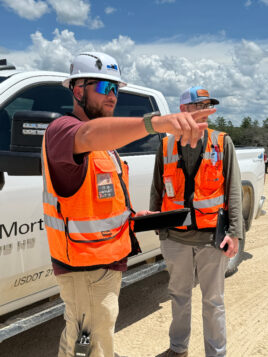
Without structured preparation, even a strong craft professional may struggle in their first supervisory role. Many new leaders step into their first management roles without formal training in communication, planning or managing people. That gap can create strain across the jobsite. Promoting individuals solely on craft performance may leave them unprepared for the demands of higher-level leadership, a challenge that ultimately affects project efficiency. Strengthening foundational leadership skills helps create steadier teams and more reliable support structures for rising superintendents. And the more prepared and confident a new leader feels, the more likely they are to stay in the industry.
To help superintendents feel more prepared for the demands of their role, the National Center for Construction Education and Research developed the Construction Superintendent Certification Program, a comprehensive online curriculum created specifically for current and emerging superintendents. The program includes 16 courses covering leadership, ethics, scheduling, cost control, contracts, risk management, resource management, site logistics and project closeout. Each course integrates real world scenarios, interactive lessons and practical resources designed to reinforce learning that connects directly to field operations. More than 80 subject matter experts, including practicing superintendents, safety leaders, construction executives and legal professionals, contributed to the curriculum to ensure its relevance and accuracy. Their lived experience provides context and insight that align with the realities of managing complex projects.
Recently, the program was accredited by the American Council for Construction Education, reinforcing its rigor and quality. Recognition from ACCCE signals the curriculum meets standards set by construction educators and industry leaders, offering assurance that the training supports the professional caliber expected of modern construction leaders. The program is also structured to accommodate the reality of the jobsite. It acknowledges the time demands already on superintendents, and is delivered in a flexible learning format. Organizations can choose a self-paced and facilitator-led format for their field leaders, so superintendents can engage in training when and where it works. In addition, the program includes an integrated assessment that offers participants and their companies a clear picture of their strengths and areas for improvement. This targeted insight helps guide focused skill building and supports more intentional professional growth as efficiently as possible.
Communication remains a defining skill for superintendents, especially as projects continue to evolve. Coordinating subcontractors, responding to changes, managing documentation and keeping stakeholders aligned requires consistency and clarity. Therefore, how to communicate is a skill best studied and mastered. Leadership training reinforces communication strategies that help crews stay synchronized, minimize rework and adapt effectively to shifting conditions. These habits help stabilize operations and support more predictable project outcomes.
Ultimately, structured training is not about changing what superintendents already know — it’s about amplifying impact. The role has always demanded resourcefulness, problem solving and sound judgement. What has changed is the environment: compressed schedules, workforce shortages, heightened safety expectations and a growing need for leaders who can mentor and influence others. Formal training provides superintendents with tools that strengthen their leadership presence, support consistent decision making and enhance coordination across the project team.
Learn how structured superintendent training supports stronger projects and stronger leaders.
The National Center for Construction Education and Research is an independent 501(c)(3) nonprofit education foundation and the leading provider of construction education for industry and career and technical education programs.
Photos courtesy NCCER
 Join our thriving community of 70,000+ superintendents and trade professionals on LinkedIn!
 Search our job board for your next opportunity, or post an opening within your company.
 Subscribe to our monthly
Construction Superintendent eNewsletter and stay current.
Subscribe to our monthly
Construction Superintendent eNewsletter and stay current.