

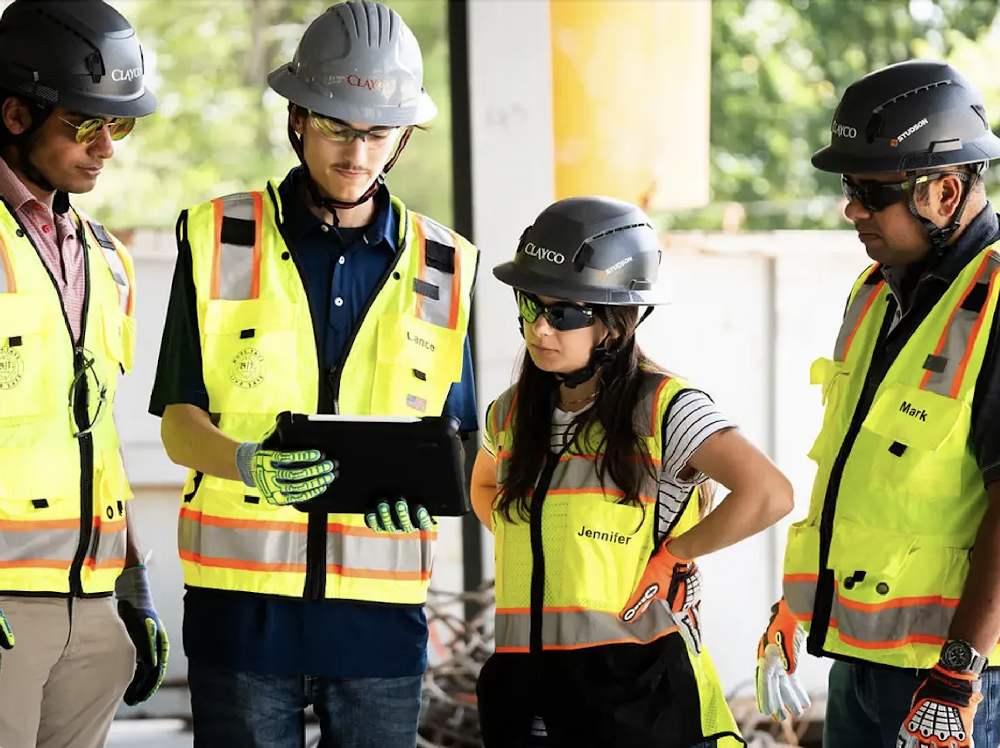
How mental strain can increase safety risks in the field
By Dan Lester
Over the last 30 years, the construction industry has made significant strides in reducing jobsite injuries, which have declined 83% since 1995. Yet as the industry continues striving toward a zero-incident culture, it’s equally critical to prioritize psychological safety alongside physical safety to address a deeper, often hidden mental health crisis — one that affects not only workers’ personal lives, but also jobsite safety and performance. This is especially important given that construction workers experience higher rates of depression, substance misuse and suicide than many other professions.
Burnout, a diagnosable occupational syndrome, can develop from prolonged stress, long hours and high-pressure projects. Workers experiencing burnout may face chronic exhaustion, detachment, reduced effectiveness, insomnia, anxiety and depression. For superintendents balancing the demands of project oversight with the day-to-day people management responsibilities of the jobsite, recognizing and helping prevent burnout — both for themselves and their crews — is a critical first step in addressing broader mental health challenges across the construction industry.
Addressing root causes early
Taking a proactive approach to addressing the root causes of mental health issues is important in a construction industry where stigma often causes growing concerns to be minimized or ignored.
Clayco’s second annual mental health in the construction industry survey in 2025 found that nearly half (44%) of U.S. construction workers reported experiencing burnout from prolonged emotional, mental and/or physical stress. Even more concerning, 64% of those same workers reported experiencing anxiety or depression over the last year — a 10 percentage point increase from the 2024 survey.
These issues are especially concerning given the many negative impacts chronic stress, burnout, anxiety, depression and substance abuse can have on the jobsite — from poor morale and collaboration issues to physical safety risks.
One reason these challenges persist is the ongoing stigma and perceived lack of support surrounding mental health issues in the industry. Per our 2025 survey, 45% of construction workers say they would feel ashamed talking about their mental health, addiction or suicidal thoughts with their coworkers — up six percentage points from the 2024 survey — while more than one-third (37%) said they experienced discrimination or unfair treatment at work for seeking mental health support or services.
For superintendents, the ability to prevent burnout through stress management, mental health support and creating an inclusive, transparent and well-functioning team culture is critical.
Creating a supportive jobsite culture
Construction managers and superintendents must foster a jobsite environment that prioritizes openness and trust. Crews need to know they can speak with managers about any and all mental health challenges they are experiencing without fear of retaliation or embarrassment. This also includes proactively asking workers what they need to stay healthy by encouraging an open dialogue on the jobsite about workload and stress management, as well as promoting healthy lifestyle and relaxation strategies, including proper sleep, hydration, exercise and nutrition.
In addition to creating psychologically safe environments for their employees, it’s also important for jobsite leaders to be psychological safety advocates to ensure crews are aware of the mental health resources and support systems available to them. Our survey found 39% of construction workers were not aware of the mental health services available to them at work.
While superintendents certainly aren’t responsible for diagnosing or counseling workers on mental health issues, they can be instrumental in helping workers be aware of and have access to the support services they need by ensuring mental health resources and protocols are incorporated into new-hire orientations and jobsite safety materials while also providing wellness zones where workers can relax, destress and decompress on the jobsite.
Leading by example
As a superintendent, it’s important to set the tone for how everyone interacts on the jobsite. It can’t be overstated how impactful it can be when leaders allow their personal values to show up in their work. Set realistic, achievable goals for projects — both with the executive team and the work crew — while encouraging teams to be open and honest if those goals can’t be met.
Burnout at work is not a weakness. It’s a signal of broader workplace issues that can lead to far more complex and harmful mental health complications. The best way to address these issues is to prioritize psychological safety on construction jobsites by communicating clearly and openly that speaking up and seeking help for mental health challenges is an act of strength, not something to be embarrassed or ashamed about.
Workers experiencing burnout need to know that first, they are free to discuss their challenges with managers or co-workers without fear of judgment or retaliation; and second, that help is readily available at work. If there is a reluctance to say something because of the stigma attached to doing so, burnout can intensify and lead to more complex mental health challenges that affect workers personally and professionally and put jobsite safety at risk, making it all the more important that superintendents know how to recognize and address these issues when they arise.
Dan Lester is vice president of field culture and inclusion at Clayco.

 Join our thriving community of 70,000+ superintendents and trade professionals on LinkedIn!
 Search our job board for your next opportunity, or post an opening within your company.
 Subscribe to our monthly
Construction Superintendent eNewsletter and stay current.
Subscribe to our monthly
Construction Superintendent eNewsletter and stay current.