
Lessons learned from systematic approach to knowledge sharing
By: Josh Young
The construction industry faces a critical challenge: Valuable lessons learned on one project often don’t make it to the next, leading to repeated mistakes and lost institutional knowledge. As experienced workers approach retirement, this knowledge transfer problem becomes even more urgent. The following are three proven strategies to bridge experience gaps and create a culture of continuous learning.
Tip 1: Implement regular jobsite lessons learned meetings
The strategy: Incorporate structured lessons learned sessions into your regular meeting schedule to capture insights while they’re fresh and actionable.
How it works: Schedule weekly or monthly meetings with a clear agenda focused on three key questions: What went right? What went wrong? What can we do better next time? Keep sessions concise but consistent, and ensure everyone has a voice in the discussion.
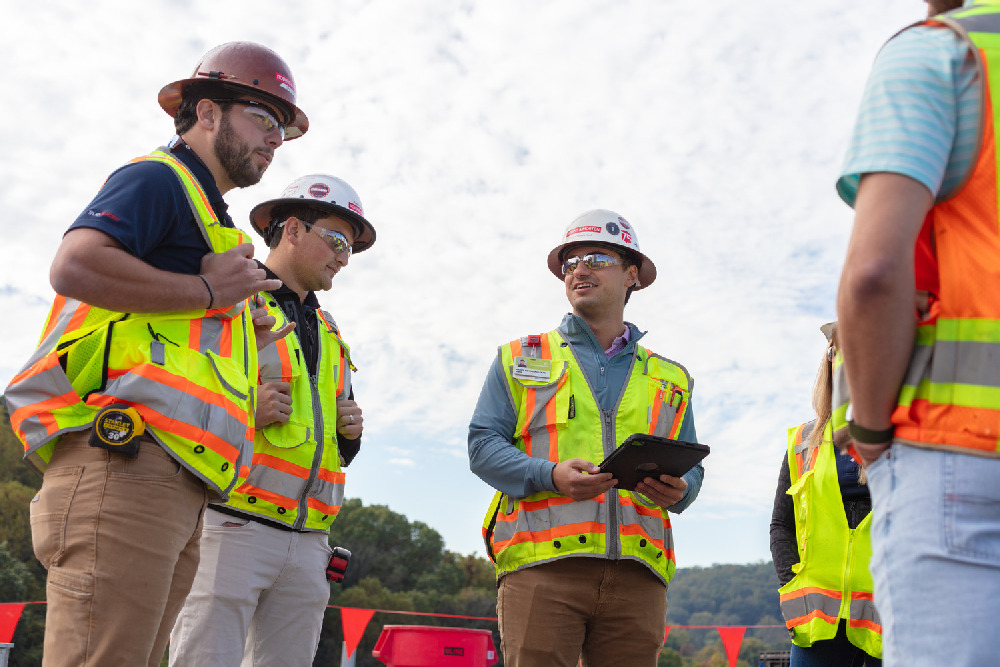
Real-world example: On the Carilion Roanoke Memorial Hospital Crystal Spring Tower project in Virginia, our project team incorporated weekly lessons learned into the meeting structure. The impact was immediate. The team felt more engaged, small improvements started adding up, problems were solved faster and everyone contributed to making the project better.
In another example, two teams were building modular freestanding emergency rooms for Universal Health Services. Although the projects were nearly 1,400 miles apart, their completion dates were within a few weeks of each other. As a result, the teams instituted monthly structured meetings to discuss what they were learning. Often, obstacles identified on one project could be proactively managed weeks in advance on the other, and even gave both teams more problem-solving power if issues arose.
Tip 2: Create cross-project knowledge sharing networks
The strategy: Build formal networks that connect superintendents and project teams across different jobsites to share experiences, solutions and best practices in real time.
How it works: Start with informal discussions between project teams, then evolve into structured meetings with set agendas. Use both virtual communications and quarterly in-person meetings where teams can walk projects together and discuss challenges with complete context. Focus on solving real issues like performance and recurring quality challenges.
Real-world example: When one of our superintendents faced a substantial late scope change on a project with an immovable deadline, eight superintendents from their established network walked the job together and shared ideas, contacts and possible solutions. With these additional resources, the project team successfully solved the challenge and finished on time. This collaborative approach also strengthened relationships and built a stronger internal network.
Tip 3: Document and systematize knowledge transfer
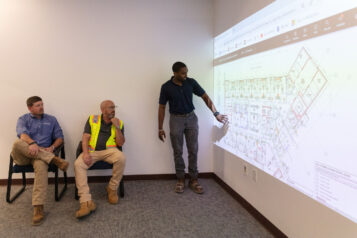
The strategy: Use digital platforms, templates and updated policies to ensure lessons learned are captured, documented and made accessible to teams across different regions and future projects.
How it works: Develop consistent documentation processes using digital tools that make information easily searchable and accessible. That could include creating guidance or enhancing existing resources, such as policies, that serve as a playbook for common problems. Most importantly, create an environment where team members feel comfortable sharing both successes and mistakes.
Real-world example: Robins & Morton refreshed and published new quality management policies that reflect today’s project complexity and ensure all team members have a consistent roadmap for tackling common quality issues. We also implemented digital platforms and templates to document takeaways, making lessons learned accessible to teams across different regions. The key to success was creating facilitated environments where input led to real, positive outcomes, which increased buy-in and encouraged ongoing participation.
The bottom line
Creating a systematic approach to lessons learned does more than avoid mistakes; it builds a culture where continuous improvement becomes a competitive advantage. The knowledge gained on one project can help make another one even better, and another. It’s a ripple effect where effort along the way allows all of us to benefit. By implementing these three strategies consistently, construction teams can stop losing valuable lessons and begin leveraging them for safer, more efficient and more successful projects.
Josh Young is a project director at Robins & Morton.
 Join our thriving community of 70,000+ superintendents and trade professionals on LinkedIn!
 Search our job board for your next opportunity, or post an opening within your company.
 Subscribe to our monthly
Construction Superintendent eNewsletter and stay current.
Subscribe to our monthly
Construction Superintendent eNewsletter and stay current.