
3 lessons for field superintendents
By: David Homola
Managing a jobsite today means juggling schedules, safety and quality across multiple trades and ever-changing plans. Because superintendents serve as the critical link between owners, design teams, subcontractors and field crews, they carry the daily responsibility for keeping projects moving safely and on schedule.
Jobsite technology has exploded in recent years, promising to simplify field operations. Yet for many experienced superintendents, new digital tools often feel like extra administrative work rather than genuine help. When software requires endless data entry or proves clunky to navigate, it becomes a hurdle instead of a benefit.
Digital platforms should support the jobsite, not force you to alter proven field practices. When chosen wisely, field-first technology streamlines communication, cuts down on paperwork and prevents costly rework. According to an industry survey conducted by PlanRadar, superintendents using well-integrated platforms save over seven hours per week, allowing them to spend that valuable time walking the site, coordinating trades and solving critical field problems. Here are three essential lessons for superintendents bringing digital platforms to the jobsite.
1. Ease of use comes first
Industry surveys show that while most construction firms see clear value in digital tools, software complexity remains a top barrier. Per the Associated General Contractors of America, 39% of contractors named the time to implement and train staff on new technology among the biggest IT challenges.
For superintendents, a software tool is only as useful as its adoption rate among crews and trade contractors. If an app requires extensive training or slow logins just to record a safety finding or update a punch list, teams fall back on paper notes, text messages or memory. This creates information gaps and forces superintendents to piece together fragmented updates at the end of a long shift.
Ease of use must be the primary consideration when selecting any digital platform. Field management apps need straightforward mobile interfaces so foremen, inspectors and subcontractors with varying tech experience can log data in minutes. When tools are simple and direct, crews adopt them faster. Quick onboarding lets incoming trade contractors contribute immediately, keeping superintendents focused on site supervision rather than software training.
User-friendly platforms help superintendents centralize tasks, assign deficiencies directly on digital plans and set clear accountability for every trade. When everyone works from the latest plan set, jobsites eliminate miscommunication and physical rework caused by building off outdated revisions.
“Transitioning our team to a digital platform for punch list and warranty documentation and reporting was actually an easier process than I anticipated it was going to be. It acts in a more intuitive way for our field staff,” said Joe Herfel, general field supervisor for Horizon Construction Group.
“Our old process took our teams somewhere between 6-8 hours to get done 15-20 units of punch… it used to be a whole day process just to get the items into the system, labeled correctly, assigned correctly and then get the publish out. We can now cut that time almost in half.”
2. Enhance real-time collaboration + visual context
Communication breakdowns between the field trailer and the office remain a leading cause of delays and rework. Traditional documentation habits, such as snapping phone photos, typing email summaries and copying notes into spreadsheets waste valuable field hours while leaving records scattered.
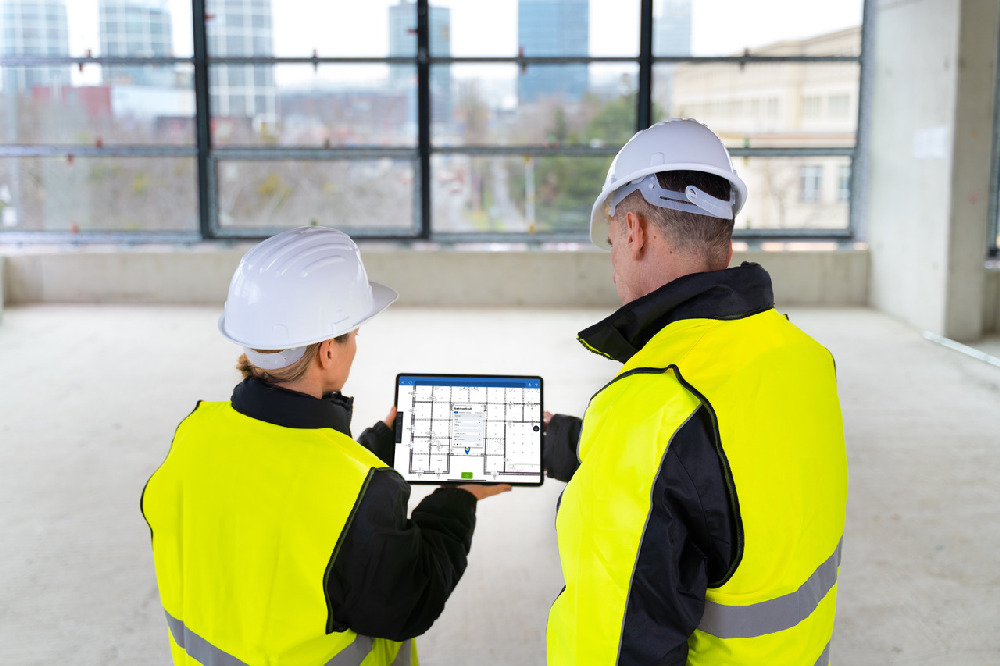
Modern digital platforms solve this disconnect by connecting all jobsite data directly to project plans. When a superintendent or foreman spots an issue, they can drop a pin on the digital blueprint, attach a photo and notes and assign a corrective action in real time. This creates one reliable source of truth for the entire project team and keeps everyone aligned from initial planning through turnover.
Visual tools bring collaboration to a higher level. For example, 360 degree reality capture allows teams to document site progress automatically during regular walkthroughs. These high-quality images, mapped directly to project plans, create a clear visual history of field conditions over time. Off-site managers, architects and engineers can review work or verify pre-drywall rough-ins without needing an extra trip to the jobsite, improving collaboration and helping catch issues before they turn into rework.
Artificial intelligence is also evolving to handle repetitive administrative tasks around field data. Instead of searching through past inspection records, superintendents can use conversational AI assistants to query project files directly, instantly bringing up open high-priority issues or recurring trade deficiencies. Autonomous AI agents can monitor workflows in the background, flagging unresolved punch-list items before scheduled closeout dates. Crucially, these tools do not replace field experience. AI can reduce time spent searching and organizing information, while autonomous AI agents take on routine follow-up work as it happens, leaving superintendents to focus on the judgment calls that require their expertise.
3. Prioritize flexibility over rigid workflows
Every jobsite is unique, shaped by specific conditions, local codes and trade relationships. A common mistake when introducing new technology is forcing field teams to change proven habits just to fit rigid software constraints. When software requires personnel to alter established inspection methods or complete irrelevant data fields, friction follows and progress slows.
Digital platforms must adapt to the jobsite, not the other way around. Flexible solutions allow teams to customize forms, checklists and reports so they align directly with established quality control and safety routines.
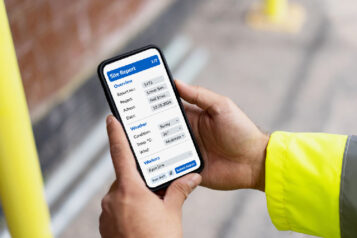
With mobile data capture, supervisors can record observations, measurements and voice notes onsite. This instantly generates structured inspection reports and eliminates the classic second shift spent re-entering notes and matching photos back at the trailer.
Operational flexibility preserves project schedules while maintaining compliance. Superintendents gain better tracking across active tasks and free up hours to focus on quality assurance, trade coordination and site safety management.
Bringing digital technology to the construction site is not about adding operational complexity. It is about clearing away administrative static so superintendents can focus on what they do best: building safely, accurately and on schedule.
David Homola is U.S. vice president for PlanRadar.
 Join our thriving community of 70,000+ superintendents and trade professionals on LinkedIn!
 Search our job board for your next opportunity, or post an opening within your company.
 Subscribe to our monthly
Construction Superintendent eNewsletter and stay current.